



In recent years, Transcranial Magnetic Stimulation (TMS) therapy has gained recognition as one of the most effective non-pharmacological treatments for depression and related conditions. For healthcare providers seeking advanced options for their patients, TMS offers a safe, FDA-cleared approach that can deliver significant improvements in mental health without the side effects associated with traditional medications.
What Is TMS Therapy?
TMS is a non-invasive procedure that uses magnetic fields to stimulate nerve cells in the brain. It is primarily used to treat major depressive disorder (MDD) but has also shown benefits for conditions such as anxiety, OCD, PTSD, and certain neurological disorders. The treatment is typically delivered in a clinical setting by a psychiatrist or trained healthcare professional.
Unlike medications, which must pass through the bloodstream and may impact the entire body, TMS therapy targets specific areas of the brain linked to mood regulation. This precision makes it a valuable option for patients who have not responded to antidepressants or prefer to avoid medications altogether.
How Does TMS Work?
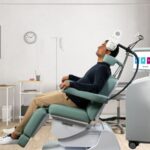
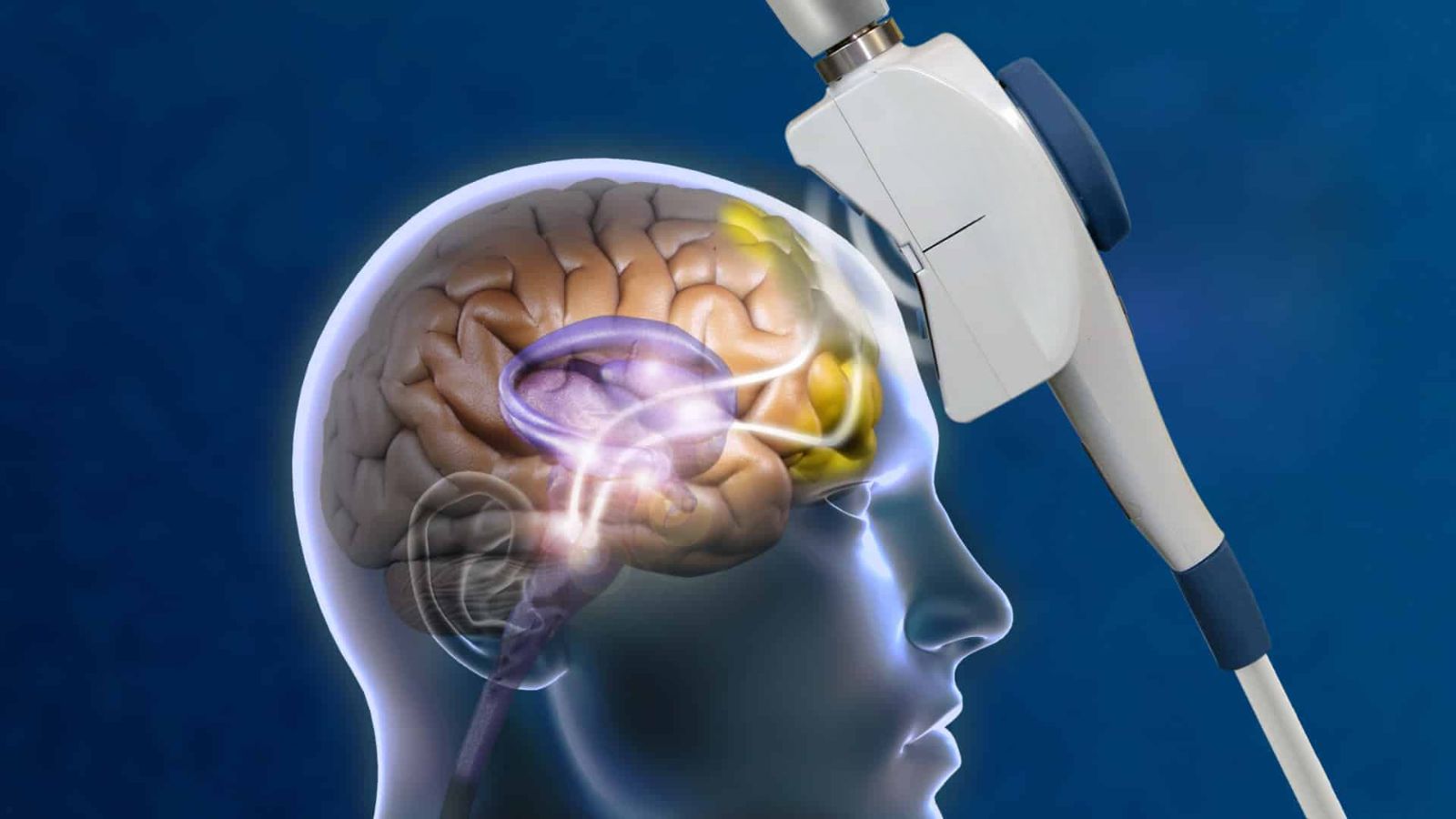
The TMS device delivers short, magnetic pulses through a coil placed on the patient’s scalp. These pulses pass painlessly through the skull and stimulate nerve cells in the prefrontal cortex, the area of the brain responsible for mood control. By activating these neurons, TMS helps restore normal function and improve communication between different regions of the brain.
Most patients receive TMS therapy in sessions lasting about 20 to 40 minutes, five days a week, over the course of several weeks. While individual results may vary, many patients begin to notice improvements in mood and mental clarity within two to four weeks of treatment.
Benefits of TMS Therapy
- FDA-Approved: TMS is cleared by the U.S. Food and Drug Administration for the treatment of major depressive disorder.
- Non-Invasive: No surgery, anesthesia, or sedation is required.
- Minimal Side Effects: The most common side effect is mild scalp discomfort during sessions, with no systemic side effects like weight gain or fatigue.
- High Success Rates: Studies show that many patients experience significant relief from depression symptoms, even after other treatments have failed.
- Improved Quality of Life: Patients often report better sleep, improved energy levels, and enhanced daily functioning.
Who Is a Candidate for TMS?
TMS therapy is best suited for patients diagnosed with depression who have not experienced success with medication or psychotherapy. It can also be considered for individuals who cannot tolerate the side effects of antidepressants. A thorough evaluation by a psychiatrist or mental health provider is necessary to determine eligibility.
Why Healthcare Providers Choose HealthTech USA
At HealthTech USA, we supply psychiatrists and therapists with advanced TMS systems, training, and ongoing support to ensure successful integration into their practices. Our focus is on empowering providers to expand their treatment options, enhance patient outcomes, and grow their practices.
Even if your practice did not purchase equipment directly from us, our team provides ongoing service and support to ensure your TMS technology operates at peak performance.
Learn More About TMS Therapy
If you want to explore more about how TMS therapy works and its benefits, trusted resources are available from leading healthcare institutions. For example, the Mayo Clinic provides an in-depth overview of TMS therapy, while the Cleveland Clinic details patient outcomes and treatment processes.
Final Thoughts
TMS therapy represents a powerful shift in mental health treatment—offering hope and healing to patients who have struggled with traditional approaches. By incorporating this technology into your practice, you can be at the forefront of addressing the national mental health crisis and supporting your patients in a meaningful way.