



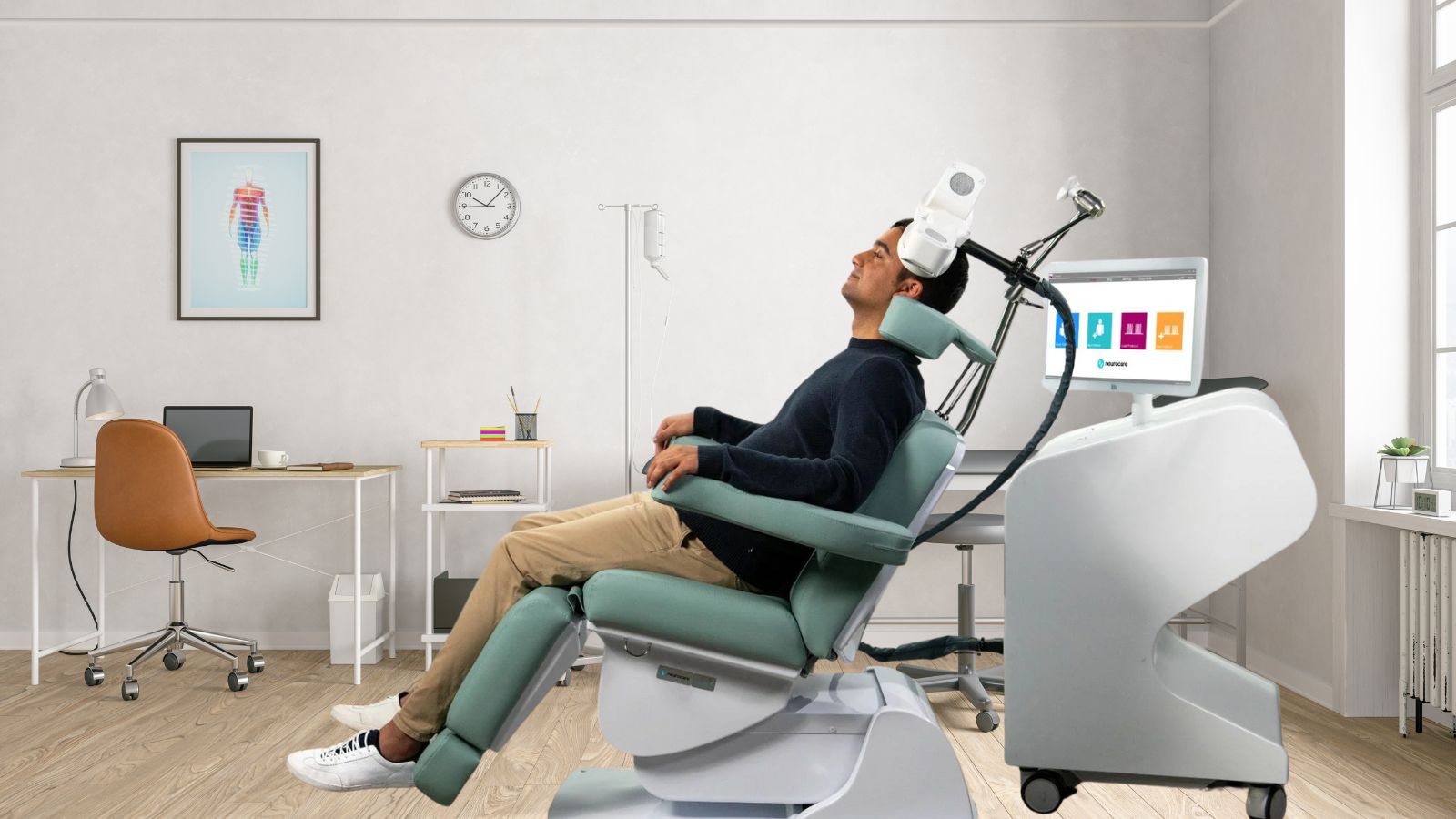
Transcranial Magnetic Stimulation (TMS) has rapidly moved from an emerging therapy to a widely adopted, evidence-based treatment for patients struggling with depression and other neuropsychiatric conditions. As more practices explore ways to meet rising demand for non-invasive, non-pharmacological treatments, TMS is becoming not only a clinical advantage but also a sound business investment.
If your practice is considering expanding services, here are the leading reasons to integrate TMS therapy into your treatment model.
1. Evidence-Based Outcomes That Improve Patient Care
Decades of clinical research support TMS as an effective intervention for treatment-resistant depression and related disorders. According to the American Psychiatric Association, TMS is considered a safe and effective option for patients who have not responded to antidepressant medications. Studies published in Psychiatry Online highlight that TMS provides durable symptom relief, often improving quality of life without the side effects commonly associated with medication.
For providers, offering TMS means adding a modality that is grounded in peer-reviewed science while providing real, measurable improvements in patient outcomes.
2. Growing Patient Demand for Non-Drug Therapies
Patients are increasingly seeking alternatives to long-term pharmacological treatments, especially when medications fail or cause intolerable side effects. Recent market analyses project significant growth in the TMS market over the next decade, driven by both patient demand and broader mental health awareness.
By offering TMS, your clinic positions itself at the forefront of this trend—meeting patient expectations and differentiating your services from competitors who rely exclusively on medication-based treatment models.
3. Revenue Expansion and Practice Growth
While the clinical benefits of TMS are clear, the business case is equally compelling. TMS machines represent a significant upfront investment, but the return is substantial. Clinics that integrate TMS often experience:
- Increased patient volume from referrals and self-directed inquiries.
- Recurring treatment cycles, as many patients require multiple sessions.
- Favorable reimbursement rates, with most major insurance carriers covering TMS for treatment-resistant depression.
Independent research and market reports emphasize that practices adopting TMS are well-positioned to capture new revenue streams while addressing one of the most pressing needs in behavioral health: accessible, effective treatment for patients who have not found relief through traditional methods. When implemented strategically, TMS can become one of the most reliable and profitable services a clinic offers.
4. Enhancing Your Practice’s Reputation
Offering TMS demonstrates a commitment to innovation, patient-centered care, and clinical excellence. Practices that invest in advanced technologies such as TMS machines stand out in their communities as leaders in mental health treatment. This reputation not only strengthens patient trust but also attracts highly qualified clinicians who want to work in cutting-edge environments.
5. Why Partner with HealthTech USA
At HealthTech USA, we specialize in equipping providers with the most advanced TMS machines on the market. Our role extends beyond equipment distribution—we provide practices with:
- FDA-approved devices designed for effectiveness and safety.
- Training and support to ensure seamless integration into your treatment model.
- Maintenance and service packages that minimize downtime and maximize ROI.
Whether you’re a psychiatry practice in Texas, a behavioral health clinic in Nevada, or an expanding group in the Carolinas, we are committed to helping you grow your business while improving patient outcomes. Learn more about our team and our commitment to provider success. Making your practice thrive is our primary mission!
Conclusion: TMS as a Smart Clinical and Business Investment
The decision to add TMS technology to your practice is not only a clinical choice but a strategic investment. By expanding treatment options, meeting patient demand, and generating sustainable revenue, TMS allows your practice to thrive in a competitive and rapidly evolving healthcare environment.