



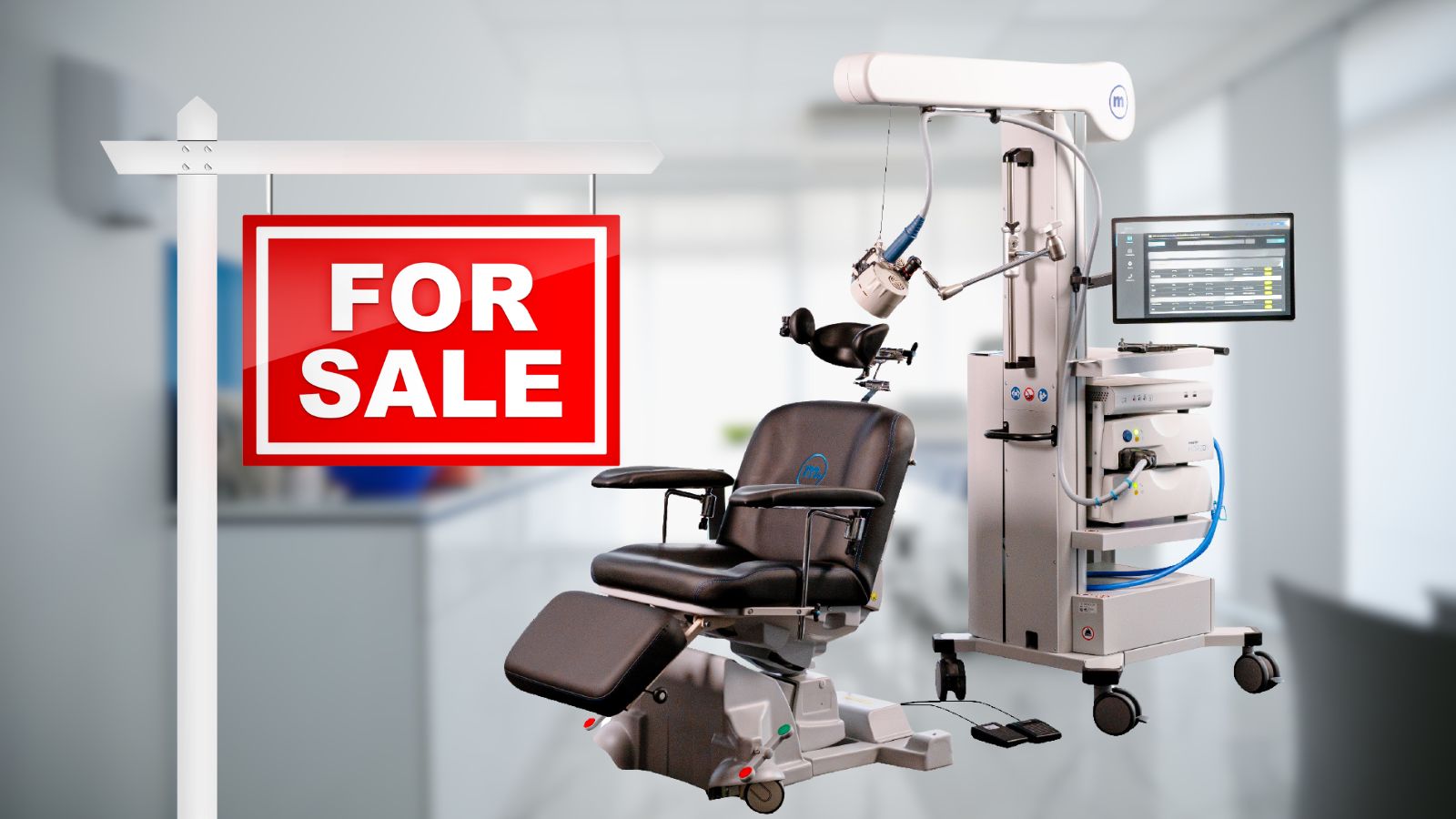
When a psychiatric practice starts searching for a transcranial magnetic stimulation machine for sale, the options can feel overwhelming. Manufacturers differ. Price points vary widely. And the decision carries real clinical and financial weight — this is not a piece of equipment you want to get wrong. The good news is that practices who approach the purchase methodically, with a clear set of evaluation criteria, consistently make better decisions and build more sustainable TMS programs.
This guide is written for psychiatrists, practice owners, and office managers who are actively evaluating TMS equipment. It covers the clinical, operational, and service factors that matter most — so you can move forward with confidence rather than guesswork.
What Is a Transcranial Magnetic Stimulation Machine?
A transcranial magnetic stimulation machine is a medical device that delivers focused electromagnetic pulses to targeted regions of the brain through a coil positioned against the scalp. Those pulses modulate neuronal activity in the underlying cortex — increasing it in underactive areas or dampening it in overactive ones — without medication, sedation, or surgical intervention. The result is a non-invasive, outpatient treatment that patients tolerate well and that produces measurable clinical outcomes for a range of conditions.
TMS machines are FDA-cleared for major depressive disorder, anxious depression, obsessive-compulsive disorder, and smoking cessation. They are used in psychiatric practices, integrated behavioral health settings, and specialty brain health clinics across the United States. For a clinical overview of TMS and the conditions it treats, the Mayo Clinic provides a well-regarded patient and provider resource. For practices ready to explore equipment options, HealthTech USA’s TMS product line is a strong starting point.
FDA Clearance: The Non-Negotiable First Filter
Before evaluating any other feature, confirm that the transcranial magnetic stimulation machine you’re considering is FDA-cleared for the indications you plan to treat. FDA clearance is not just a regulatory formality — it is the foundation of your medical necessity documentation, your insurance reimbursement arguments, and your informed consent process.
Different devices carry clearance for different indications. A machine cleared for major depressive disorder may not have clearance for OCD. Deep TMS systems with H-coil configurations carry specific clearances that standard figure-eight coil systems do not. Know which indications you intend to treat before you shop, and verify that the device you’re evaluating is cleared for each of them. Buying the wrong machine for your intended patient population is an avoidable and expensive mistake.
Coil Type and Treatment Protocol Flexibility
The coil is the business end of a TMS machine — it’s what determines where the magnetic field is directed, how deep it penetrates, and which cortical structures it can reliably reach. Two coil types dominate the clinical market:
Figure-eight coils are the standard in most TMS systems. They deliver focused stimulation to superficial cortical regions and are the workhorse for depression treatment. They are well-validated, widely used, and supported by an extensive body of clinical literature.
H-coils, used in deep TMS systems, penetrate further into the cortex and can reach subcortical structures. Deep TMS with H-coils is specifically FDA-cleared for OCD using the H7 coil configuration. If OCD is part of your intended treatment menu, a deep TMS system is not optional — it is required for the cleared indication.
Some manufacturers offer multiple coil options for a single platform, which gives practices flexibility to expand their treatment protocols over time. When evaluating a transcranial magnetic stimulation machine for sale, ask specifically which coils are compatible with the system and what additional costs are involved in adding them later.
Session Duration and Throughput
Session duration varies meaningfully across TMS systems and protocols, and it has a direct impact on how many patients you can treat per day. Standard TMS protocols for depression run approximately 20 to 37 minutes per session. Theta burst stimulation, an accelerated protocol FDA-cleared for depression, compresses treatment into roughly 3 minutes per session.
For a practice building a TMS program from the ground up, throughput matters. A machine that supports theta burst stimulation gives you the flexibility to see more patients per day without adding equipment or extending your operational hours. If you’re projecting patient volume and building a financial model, factor in session duration when calculating your daily treatment capacity.
Service, Maintenance, and Coil Replacement
This is the part of the equipment decision that practices most frequently underestimate — and most frequently regret when they get it wrong. A transcranial magnetic stimulation machine is a complex piece of medical equipment. It requires regular preventive maintenance, periodic software updates, and coil replacements at defined intervals. When something goes wrong, response time matters: a TMS machine that’s down for several days means cancelled patient appointments, disrupted treatment courses, and lost revenue.
Before purchasing any TMS equipment, evaluate the distributor’s service infrastructure as carefully as you evaluate the machine itself. Key questions to ask include: What is the standard response time for service calls? Is preventive maintenance included in the service agreement? What are the coil replacement costs and replacement intervals? Is loaner equipment available if the machine requires depot repair?
HealthTech USA provides dedicated TMS service and support to practices across Texas and the broader United States. Our service team prioritizes fast response times and keeps practices running without extended downtime. This is a core part of what we offer — not an afterthought.
Manufacturer Reputation and Clinical Support
Not all TMS manufacturers are equally well-established, and the clinical support resources they provide vary considerably. Established manufacturers with a long track record in the TMS market offer more robust clinical training, protocol libraries, published outcome data, and ongoing product development. Newer or smaller manufacturers may offer attractive price points but carry more uncertainty around long-term support, parts availability, and clinical validation.
Ask any manufacturer or distributor you’re evaluating for references from practices that have been using the equipment for at least two years. Hearing directly from peers about their real-world experience with both the machine and the support relationship is more valuable than any spec sheet.
Total Cost of Ownership, Not Just Purchase Price
The sticker price of a transcranial magnetic stimulation machine for sale is only one part of the financial picture. Total cost of ownership includes the annual service contract, coil replacement costs over the expected life of the equipment, staff training, any required facility modifications, and the cost of consumables. A machine with a lower purchase price and a high annual service cost may be more expensive over five years than a pricier machine with comprehensive service included.
Build a five-year total cost of ownership projection before making a final decision. Factor in your anticipated patient volume and reimbursement rates to model when the equipment reaches break-even. This is the analysis that turns a gut decision into a defensible business case — and it’s the kind of conversation HealthTech USA is equipped to have with practices at any stage of the evaluation process. Visit our products page to explore current options, or reach out through our services page to start a conversation with our team.
Frequently Asked Questions: Buying a TMS Machine
What is the average cost of a transcranial magnetic stimulation machine?
New TMS machines typically range from approximately $50,000 to over $150,000 depending on the manufacturer, coil configuration, and included features. Refurbished and certified pre-owned options are available at lower price points. Total cost of ownership, including service contracts and coil replacements, should be factored into any budget projection.
Do I need a specific TMS machine to treat OCD?
Yes. FDA clearance for OCD is specific to deep TMS using the BrainsWay H7 coil. Standard figure-eight coil systems are not cleared for OCD. If OCD is part of your intended treatment menu, a deep TMS system is required.
Can TMS machines be used for conditions beyond depression?
Yes. TMS is FDA-cleared for major depressive disorder, anxious depression, OCD, and smoking cessation. Research into additional indications — including PTSD, anxiety, and chronic pain — is ongoing, and many practices offer off-label protocols backed by peer-reviewed evidence.
How long does a TMS machine last?
With proper maintenance, TMS machines typically have a clinical lifespan of seven to ten years or more. Coils are the component that wears most quickly and require replacement at manufacturer-specified intervals, typically measured in pulse counts.
Is TMS reimbursable by insurance?
TMS for major depressive disorder is reimbursable by most major commercial insurers and Medicare, subject to medical necessity criteria. Coverage for OCD and other cleared indications varies by payer. Prior authorization requirements are common and can be administratively intensive.
What kind of training is required to operate a TMS machine?
TMS treatments are typically administered by trained TMS technicians under physician supervision. Most manufacturers and distributors provide initial staff training as part of the equipment purchase. Ongoing clinical education is available through professional organizations and manufacturer-sponsored programs.
Should I buy new or refurbished TMS equipment?
Both options can be appropriate depending on your budget and risk tolerance. Refurbished equipment from a reputable distributor with a warranty and service agreement can offer strong value. New equipment typically comes with the latest software, full manufacturer warranty, and greater flexibility on coil options. The quality of the service relationship matters equally for both.