




As mental health awareness continues to grow, psychiatrists and therapists are seeking advanced tools that provide measurable insights into patient brain function. One of the most effective innovations available today is the neuroscan assessment. By using EEG-based technology, these assessments deliver objective data that helps providers make more accurate diagnoses, monitor treatment progress, and ultimately improve patient outcomes.
What Is a Neuroscan Assessment?
A neuroscan assessment is a non-invasive test that measures electrical activity in the brain through electroencephalography (EEG). This technology captures and analyzes brainwave patterns to reveal how the brain is functioning. Unlike subjective reporting or traditional assessments alone, neuroscan results provide clear, quantifiable data that can guide treatment decisions.
Conditions Neuroscan Assessments Help Identify
Neuroscan systems are valuable tools for evaluating a wide range of mental health conditions, including:
- Anxiety disorders
- Major depressive disorder (MDD)
- Attention deficit hyperactivity disorder (ADHD)
- Traumatic brain injury (TBI)
- Obsessive-compulsive disorder (OCD)
- Post-traumatic stress disorder (PTSD)
By detecting irregularities in brainwave patterns, providers can confirm diagnoses and rule out other conditions that may mimic similar symptoms.
Benefits of Neuroscan Assessments
- Objective Data: Moves beyond subjective patient feedback by providing measurable insights into brain activity.
- Early Detection: Helps providers identify issues such as cognitive decline or mood disorders before they progress.
- Personalized Care: Enables providers to design treatment plans tailored to each patient’s brain function.
- Progress Tracking: Allows for pre- and post-treatment comparisons to measure therapy effectiveness, such as TMS or medication management.
- Insurance Coverage: Many neuroscan assessments are reimbursable by Medicare and most major insurers, making them accessible for more patients.
Improving Patient Outcomes With Data-Driven Care
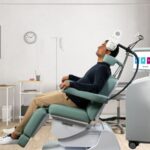
With the rise of advanced treatments like TMS therapy, having objective, real-time brain activity data ensures patients receive the most effective care. For example, pairing neuroscan assessments with ongoing treatment allows providers to track improvements in brainwave function and adjust interventions as needed.
According to the Cleveland Clinic, cognitive testing and brain function assessments play a key role in identifying impairments and creating treatment pathways. Neuroscan systems build on this by providing even more comprehensive and actionable data.
Why Practices Choose HealthTech USA
At HealthTech USA, we provide psychiatrists and therapists with cutting-edge neuroscan systems designed to elevate the quality of care. In addition, our support and service programs ensure practices are always equipped to maximize the value of these technologies.
Final Thoughts
Incorporating neuroscan assessments into your practice can significantly improve patient outcomes by combining objective data with clinical expertise. This technology gives providers the tools to make accurate diagnoses, track progress, and deliver effective treatment—all while building trust and confidence with patients.