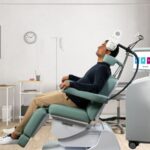





p>Transcranial Magnetic Stimulation (TMS) has become one of the most effective non-pharmacological treatments for depression and related conditions. As more psychiatrists and mental health practices adopt this technology, the importance of TMS machine service and support cannot be overstated. Just like any advanced medical device, TMS systems require proper maintenance, updates, and technical expertise to ensure safe, reliable, and effective treatment for patients.
The Role of TMS Therapy in Mental Health Care
TMS therapy is FDA-approved and has been shown to provide significant relief for patients with major depressive disorder who have not responded to traditional medications. By stimulating specific areas of the brain using magnetic pulses, TMS helps restore healthy neural activity. According to the Mayo Clinic, TMS is a safe and non-invasive procedure with minimal side effects, making it an attractive option for both providers and patients.
Why Service and Support Matter
While TMS machines are highly effective, they are also complex pieces of medical equipment. Without proper TMS machine service and support, providers risk interruptions in patient care, costly repairs, and reduced equipment lifespan. A strong service program ensures:
- Consistent Performance: Regular maintenance prevents malfunctions and ensures accurate treatment delivery.
- Patient Safety: Well-maintained machines reduce the risk of errors and safeguard patient well-being.
- Regulatory Compliance: Proper service helps practices meet medical standards and insurance requirements.
- Cost Savings: Preventive maintenance reduces the likelihood of expensive emergency repairs or replacements.
- Peace of Mind: Reliable support allows providers to focus on patient care instead of technical issues.
Challenges Without Proper Service
Practices that neglect regular service may experience machine downtime, inaccurate treatment delivery, or even system failure. For patients relying on daily or weekly TMS sessions, these delays can disrupt progress and harm patient trust. Additionally, unserviced equipment may not meet insurance requirements, which can create reimbursement challenges for practices.
HealthTech USA’s Commitment to Ongoing Support
At HealthTech USA, we understand that investing in TMS technology is only the first step. That’s why we offer comprehensive TMS machine service and support programs to ensure your practice continues to operate smoothly long after installation. Our expert technicians provide:
- Routine maintenance and calibration
- On-demand troubleshooting and repairs
- Software updates and technical upgrades
- Training for staff and clinicians
- Insurance and reimbursement assistance
Even if your equipment was not purchased through us, HealthTech USA partners with practices nationwide to deliver the same level of service and support. Our mission goes beyond selling machines — we are invested in helping practices thrive and improving mental health outcomes in local communities.
How Service Supports Patient Outcomes
Reliable TMS machine service and support translate directly into better patient outcomes. A well-maintained machine ensures accurate stimulation, which is crucial for achieving therapeutic results. When providers know their equipment is dependable, they can confidently focus on delivering quality care and growing their practice.
As noted by the Cleveland Clinic, TMS therapy depends on consistent, high-quality delivery to achieve maximum benefits. Service programs ensure this consistency remains a standard part of patient treatment.
Final Thoughts
For practices offering TMS therapy, having reliable TMS machine service and support is just as critical as the technology itself. By partnering with experts who understand both the clinical and technical aspects of these devices, providers can safeguard their investment, improve patient care, and build long-term trust within their communities.