



The rapid evolution of mental health technology is transforming how clinicians diagnose, treat, and support patients. From advanced brain mapping systems to non-invasive neuromodulation therapies, innovative tools are empowering practices to provide more precise, personalized, and effective care. At HealthTech USA, we’re proud to help mental health professionals adopt technologies that make their work easier, their outcomes stronger, and their patients’ lives better.
The Shift Toward Data-Driven Mental Health Care
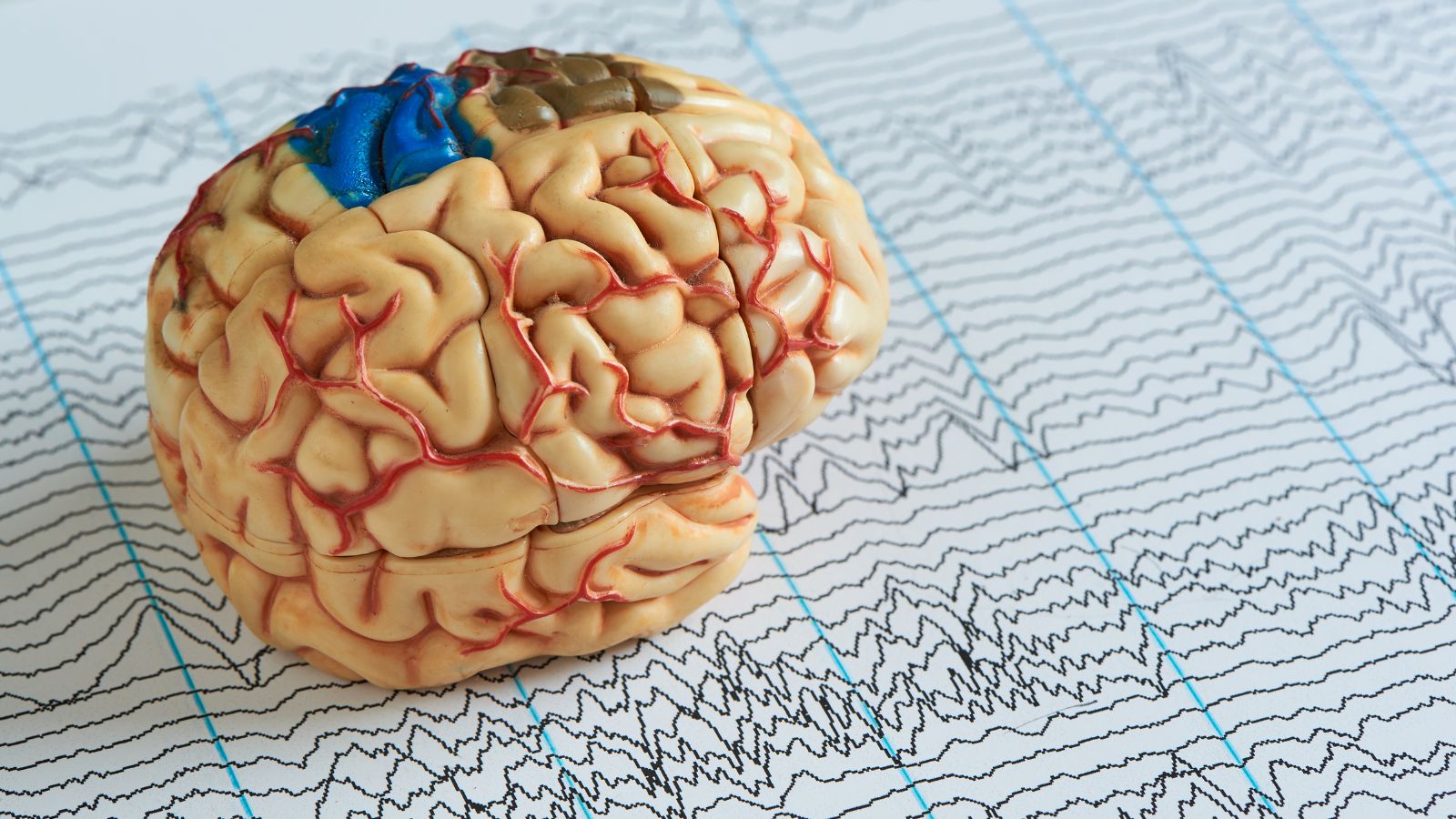
Traditional psychiatric care often relies heavily on patient self-reporting, observation, and clinical judgment. While these remain critical, technology like Quantitative EEG (QEEG) equipment adds an objective dimension. By measuring and mapping brain activity, clinicians can gain insights into neurological function that may otherwise go undetected. These objective findings help confirm diagnoses, customize treatment plans, and monitor progress more accurately over time.
Data-driven care doesn’t replace the human connection—it enhances it. When providers have measurable insights into brain function, they can communicate more clearly with patients, increasing understanding, trust, and engagement in the treatment process.
The Power of TMS Therapy in Modern Psychiatry
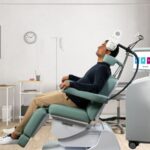
Another key development in mental health technology is Transcranial Magnetic Stimulation (TMS) therapy. This FDA-approved, non-invasive treatment uses magnetic pulses to stimulate underactive regions of the brain, providing relief for patients with depression and other conditions. For practices, TMS offers a way to expand their services and reach patients seeking non-pharmacological treatment options without significant disruption to existing workflows.
Because TMS therapy is safe, effective, and well-tolerated, it’s quickly becoming one of the most in-demand mental health technologies across the country. Clinics that integrate TMS benefit from improved patient outcomes, higher satisfaction rates, and new revenue opportunities.
How Technology Improves Practice Efficiency
Implementing technology like QEEG systems or TMS equipment doesn’t just help patients—it also streamlines clinic operations. Automated reporting, simplified interfaces, and integrated data capture reduce administrative work, allowing clinicians to focus on patient care. With the right systems and support, even small practices can scale their services efficiently.
At HealthTech USA, we make this possible by providing comprehensive service and support packages that include installation, training, and maintenance. Our team ensures every provider has the tools and confidence to use these technologies effectively from day one.
Bridging Gaps in Mental Health Access
Across the U.S., access to mental health care remains a challenge—especially in rural or underserved areas. By empowering local practices with reliable technology, clinicians can reach more patients, offer more effective treatments, and reduce wait times. Innovations like remote data interpretation and cloud-based reporting make it easier than ever to extend advanced care beyond major cities.
Looking Ahead: The Future of Mental Health Technology
As we move into 2025 and beyond, mental health technology will continue to evolve. Artificial intelligence, advanced neuroimaging, and personalized data analytics are already being integrated into next-generation tools. These advancements promise even greater accuracy, efficiency, and accessibility in mental health care.
To stay informed about these advancements, review the National Institute of Mental Health’s overview of brain stimulation therapies. These resources underscore the importance of technology in shaping the future of psychiatry, neurology, and therapy practices alike.
Conclusion
Whether it’s mapping brain activity with QEEG or delivering targeted therapy with TMS, mental health technology is redefining how clinicians understand and treat the brain. Practices that embrace these tools not only elevate their standard of care but also position themselves as leaders in an increasingly competitive field.
Ready to modernize your practice with advanced brain health technologies? Contact HealthTech USA today to learn how our products and support services can help you make a measurable impact in your community.