




The holiday season can be a time of joy and connection, but for many individuals, it also brings increased stress, anxiety, and depression. Financial strain, grief, family tension, or loneliness can all contribute to worsening mental health during this time of year. For healthcare providers, understanding how to support mental health during the holidays is essential to ensuring patients receive the help they need to manage seasonal challenges effectively.
At HealthTech USA, we partner with clinics and mental health professionals to provide advanced tools like TMS machines and QEEG systems that empower providers to identify, monitor, and treat mental health concerns with precision and compassion—especially during high-stress seasons like the holidays.
Understanding the Seasonal Impact on Mental Health
Research shows that depression, anxiety, and stress-related conditions often intensify during November and December. For some, the shorter days and colder weather can trigger seasonal affective disorder (SAD), a form of depression linked to reduced sunlight exposure. For others, emotional triggers tied to family dynamics, social pressure, or memories of loss can lead to increased distress.
By proactively identifying patients at risk and offering non-pharmacological interventions, providers can help prevent these seasonal dips in wellbeing. This proactive care approach also strengthens patient trust and engagement throughout the year.
How Technology Can Help Providers Support Patients
Modern brain health technologies offer clinicians actionable insights into patient wellbeing. Quantitative EEG (QEEG) assessments, for instance, help measure real changes in brain activity that correlate with emotional regulation, attention, and mood. This data allows therapists and psychiatrists to tailor care plans more precisely for each individual.
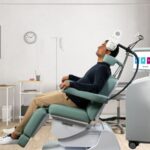
Meanwhile, Transcranial Magnetic Stimulation (TMS) therapy provides a proven, drug-free way to help patients with depression. Especially during the holidays—when patients may be hesitant to add or change medications—TMS offers a safe and effective alternative that fits seamlessly into existing care plans.
Encouraging Patients to Prioritize Self-Care
Providers can also help patients take small but meaningful steps to protect their mental wellbeing during the holidays:
- Encourage structured routines that include sleep, nutrition, and regular exercise.
- Promote mindfulness, meditation, or faith-based practices that reduce stress.
- Help patients set healthy boundaries around family gatherings and social obligations.
- Remind them to seek connection—whether through friends, support groups, or therapy sessions.
Practical Ways for Clinics to Prepare
For practices, the holiday season can also be a critical time to ensure staff and systems are prepared. Implementing QEEG assessments or expanding TMS services before the holidays allows clinicians to accommodate higher patient demand and provide timely, data-driven interventions. Learn more about implementation options on our services page.
Building Stronger Communities Through Compassionate Care
Supporting mental health during the holidays isn’t just about helping individual patients—it’s about building healthier, more resilient communities. By combining evidence-based care with innovative technology, providers can make a meaningful difference when patients need it most.
To explore how your practice can use technology like QEEG and TMS to better serve patients this season, contact HealthTech USA today. Together, we can bring clarity, comfort, and connection to those facing emotional challenges during the holidays.