



Selecting the right EEG brain scan system is one of the most important technology decisions a mental health or neurology practice can make. As demand grows for objective, measurable brain data, clinics are adopting advanced EEG and Quantitative EEG (QEEG) tools that provide deeper insight into cognitive function, mood disorders, neurological changes, and treatment outcomes. But not all systems are created equal — and choosing the wrong one can lead to inaccurate data, workflow bottlenecks, and maintenance issues that directly impact patient care.
At HealthTech USA, we help providers evaluate EEG brain scan system options and understand what truly matters when integrating new diagnostic technology. Whether you’re upgrading equipment or adding EEG and QEEG capabilities for the first time, this guide outlines the most important features, specifications, and support considerations to look for.
Why EEG Technology Matters for Modern Mental Health Care
An EEG brain scan system allows clinicians to measure electrical activity in the brain and convert it into actionable data. When paired with QEEG analysis, the system can help identify patterns associated with depression, anxiety, ADHD, TBI, cognitive impairment, and other neurological or psychiatric conditions.
The result: more informed decision-making, more precise treatment planning, and measurable evidence of patient progress. For more on how neuro-assessment systems improve outcomes, see How Neuroscan Assessments Improve Patient Outcomes.
Key Features to Look For in a High-Quality EEG System
1. Data Accuracy and Signal Quality
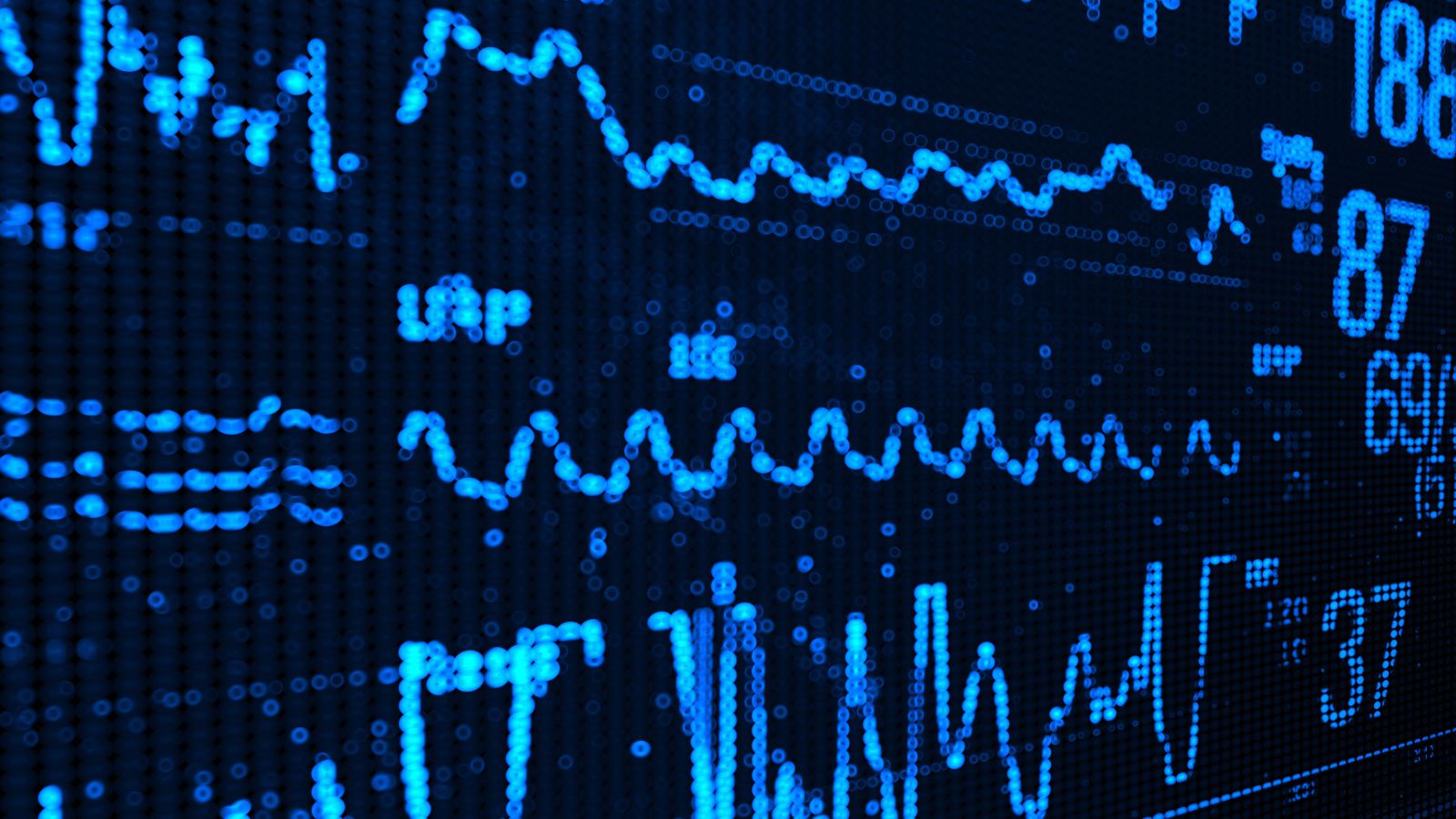
A reliable EEG brain scan system must capture clean, high-resolution signals with minimal artifact. Look for:
- High sampling rates appropriate for clinical use
- Advanced filtering to reduce muscle and movement noise
- Stable electrode connections to minimize signal interruption
- Automated artifact rejection for consistent results
Poor signal quality leads to inaccurate mapping and misleading results, which ultimately affects diagnosis and patient care.
2. QEEG Processing and Reporting Capabilities
Many providers adopt an EEG brain scan system specifically for QEEG analysis. A strong system should include:
- Normative database comparisons
- Automated topographic brain maps
- Coherence and connectivity metrics
- User-friendly report generation
To learn more about the science behind QEEG, review this NIH overview of quantitative EEG.
3. Ease of Use for Clinical Staff
Workflow integration is one of the most overlooked considerations when selecting equipment. Your EEG brain scan system should support efficient patient throughput and minimal training time. Look for features such as:
- Intuitive software interface
- Guided electrode placement
- Short setup and calibration times
- Clear step-by-step acquisition instructions
4. FDA Clearance and Clinical Reliability
Only choose systems that meet regulatory standards. FDA-cleared devices ensure safety, reliability, and consistency across sessions — essential for clinical decision-making.
5. Compatibility With Treatment Modalities
Many clinics use an EEG brain scan system to complement TMS therapy or other non-pharmacological treatments. Systems that generate pre- and post-treatment comparisons help clinicians demonstrate measurable progress to patients and payers. For additional context, see our blog post about The Benefits of Non-Pharmacological Mental Health Treatments.
6. Training and Support Services
No system is complete without ongoing support. A high-quality provider should offer:
- Onboarding and initial training
- Technical support and troubleshooting
- Periodic recalibration and maintenance
- Clinical workflow guidance
HealthTech USA provides these services for practices nationwide, whether they purchased their equipment from us or not. Explore our service and support options for details.
Common Mistakes Clinics Make When Purchasing EEG Equipment
Choosing an EEG brain scan system can be overwhelming. These are the issues we see most often:
- Focusing only on price instead of long-term reliability
- Underestimating the importance of signal quality
- Buying systems with limited reporting tools
- Choosing vendors who offer no training or ongoing support
- Purchasing equipment that doesn’t integrate smoothly into clinic workflows
These missteps can slow down adoption, reduce clinical value, and increase costs over time.
How HealthTech USA Helps Practices Choose the Right EEG System
At HealthTech USA, we guide practices through the entire decision-making process, from evaluating equipment needs to implementing the system successfully. Our approach includes:
- Helping you select the right EEG brain scan system for your clinical goals
- Providing installation and staff training
- Offering long-term maintenance, recalibration, and repairs
- Supporting QEEG interpretation workflows
Learn more about our QEEG equipment or explore how advanced neuroscan tools improve outcomes in our post “How Brain Health Technologies Are Transforming Mental Health Care”.
Conclusion
A high-quality eeg brain scan system is more than a piece of equipment — it’s an investment in diagnostic accuracy, treatment effectiveness, and patient trust. By choosing a reliable system with excellent signal quality, robust reporting, and ongoing support, your practice can expand its capabilities and deliver more precise, measurable mental health care.
If you’re ready to explore the best EEG and QEEG solutions for your clinic, contact HealthTech USA for a free consultation.