



Quantitative EEG (QEEG) has moved from research labs to everyday clinical practice—giving psychiatrists, psychologists, and therapists a powerful, objective view of brain function. By transforming raw EEG signals into statistically meaningful maps and metrics, QEEG helps clinicians clarify diagnoses, personalize treatment plans, and track patient progress over time. For busy practices, that means better outcomes, higher efficiency, and clearer communication with patients and payers.
At HealthTech USA, we equip providers with advanced QEEG equipment and the training and support to integrate brain-based data into routine care. Below, we outline how QEEG brain mapping works, where it adds the most value, and practical ways to implement it in your workflow.
What Exactly Is QEEG?
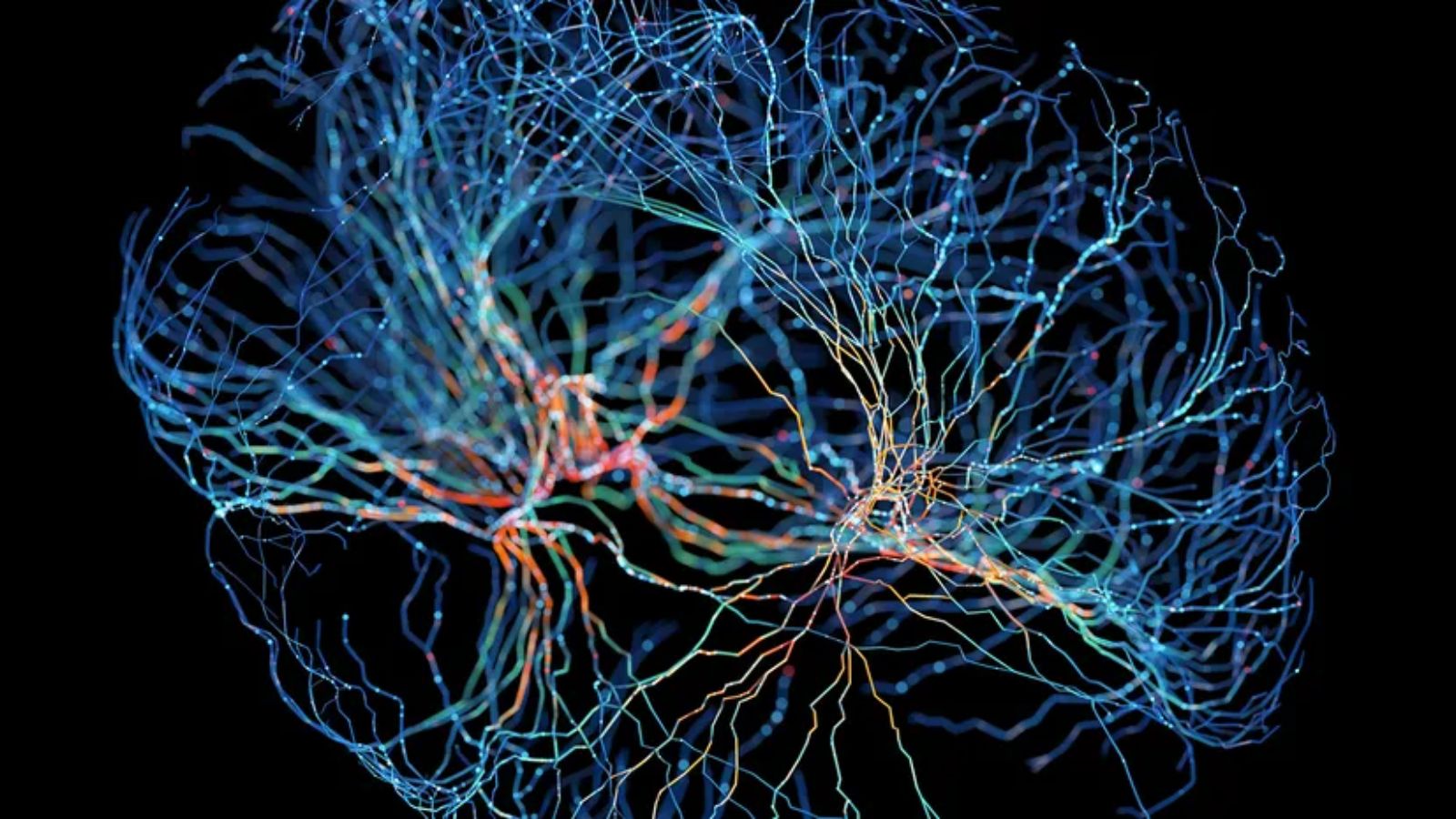
Standard EEG measures the brain’s electrical activity at the scalp. Quantitative EEG goes further—cleaning the signal, extracting features (e.g., power by frequency band, coherence/connectivity), and comparing results to age-matched databases to reveal deviations from normative patterns. These metrics create visual “maps” that highlight under- or over-activation in specific regions and networks that may align with clinical presentations.
For a technical overview, see the NIH/NLM review of quantitative EEG.
Why QEEG Matters for Mental Health Care
- Objective data to complement clinical judgment: QEEG adds measurable evidence alongside scales, interviews, and observation—especially useful in complex or overlapping presentations.
- Precision in treatment planning: Patterns in frontal, limbic, or attentional networks can help guide therapy selection and sequencing (e.g., behavioral interventions, TMS targeting, medication adjustments).
- Reliable progress tracking: Repeat QEEG testing provides a comparable baseline and follow-ups, enabling pre/post analysis to demonstrate change over time.
- Clearer payer communication: Quantitative reports support medical necessity documentation and outcomes reporting in value-oriented environments.
Clinical Areas Where QEEG Adds Value
QEEG is not a stand-alone diagnostic tool—but it is a powerful adjunct for conditions that commonly present in mental health practices:
- Depression and anxiety: Frontal asymmetries and dysregulated networks may inform non-pharmacological approaches and treatment targeting. Pair with TMS therapy for individualized care.
- ADHD and attention disorders: Frequency-band abnormalities (e.g., theta/beta ratios) and connectivity findings can support assessment and follow-up.
- Traumatic brain injury (TBI)/concussion: Subtle network disruptions are often detected with QEEG even when symptoms vary day-to-day.
- OCD/PTSD and other conditions: Network-level insights help differentiate clinical hypotheses and monitor response to care.
How QEEG Supports Non-Pharmacological Care
Many practices are expanding beyond medication-only models. QEEG fits naturally with data-driven, non-pharmacological strategies:
- TMS targeting and monitoring: Objective findings can support target selection and provide pre/post evidence of change. Learn more in The Benefits of Non-Pharmacological Mental Health Treatments.
- Behavioral and psychotherapy planning: Brain-based insights can inform psychoeducation and reinforce adherence by showing patients visual evidence of progress.
- Return-to-function programs: For athletes, veterans, or workers, QEEG trends help guide staged return to school, duty, or work.
Implementing QEEG in a Busy Practice
Adding new technology should not slow your clinic down. Our systems are designed for practicality:
- Streamlined acquisition: User-friendly caps/sensors and guided software reduce setup time and artifacts.
- Automated analytics: Built-in pipelines produce clinician-ready maps and summary metrics.
- Standardized reports: Clear visuals support documentation, referrals, and patient communication.
- Training & workflow integration: We provide onboarding, staff training, and best-practice checklists to keep throughput high.
See how objective assessments translate into outcomes in How Neuroscan Assessments Improve Patient Outcomes.
Quality, Compliance, and Patient Experience
- FDA-cleared components and protocols: Our QEEG brain mapping solutions emphasize safety, reliability, and repeatability.
- Comfort and speed: Non-invasive, typically completed in under an hour with patient-friendly workflows.
- Privacy and security: HIPAA-aware processes and options for secure data handling and storage.
From Baseline to Outcomes: A Typical Use Case
- Initial assessment: Clinical evaluation plus a baseline QEEG to characterize network function and set objective benchmarks.
- Care plan: Combine psychotherapy, lifestyle strategies, and where appropriate, device-based treatments like TMS.
- Follow-up QEEG: Compare to baseline; document changes and refine the plan.
- Communication: Use visuals to explain progress to patients and to substantiate payer reporting.
Getting Started with QEEG at Your Clinic
HealthTech USA supports providers from selection to long-term success:
- Right-fit systems: We help you choose QEEG equipment that matches your patient volume, staff skillset, and budget.
- Onboarding & training: Hands-on training for acquisition, artifact reduction, and interpretation workflows.
- Service & maintenance: Preventive maintenance and rapid support to minimize downtime—details on our Services page.
- Clinical adoption: Templates and examples to standardize when and how QEEG is used so it adds value from day one.
External Resources & Evidence
For additional context, review the NIH/NLM quantitative EEG overview and the Cleveland Clinic’s cognitive testing guide. These resources explain how objective assessments complement traditional clinical practice.
Bottom Line
QEEG brain mapping helps modernize mental health care by giving clinicians objective, repeatable data that supports differential diagnosis, personalizes interventions, and demonstrates change over time. Practices that use QEEG aren’t just adding a device—they’re adopting a measurable, brain-based approach to care that patients understand and payers respect.
Interested in bringing QEEG brain mapping to your practice? Explore our QEEG equipment or contact HealthTech USA to discuss the right configuration, training, and service plan for your team.