



As mental health care evolves, intervention psychology continues to gain traction among psychiatric and therapy practices. Looking ahead to 2026, more providers are adopting structured intervention approaches to improve patient outcomes, reduce hospitalizations, and enhance overall treatment efficacy. By integrating evidence-based methods, advanced assessment tools, and non-pharmacological treatments like TMS and QEEG, practices can deliver more precise, personalized care.
What Is Intervention Psychology?
Intervention psychology emphasizes proactive, targeted strategies to address mental health conditions early and effectively. Unlike traditional therapy models that rely primarily on reactive treatment, intervention psychology focuses on measurable outcomes, early detection, and customized interventions. As noted by the National Center for Biotechnology Information, this approach supports better long-term mental health management by combining behavioral, cognitive, and technological interventions.
Why Practices Are Embracing Intervention Psychology in 2026
The coming year is expected to see a continued shift toward intervention psychology for several reasons:
- Data-Driven Decisions: Tools like Quantitative EEG (QEEG) systems allow clinicians to gather objective biomarkers for more accurate diagnoses and treatment planning. Learn how neuroscan assessments improve patient outcomes.
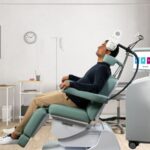
- Integration of Non-Pharmacological Options: Transcranial Magnetic Stimulation (TMS) therapy and other brain stimulation technologies provide effective treatment alternatives without relying solely on medications. Explore the basics of TMS therapy.
- Focus on Early Intervention: Practices are using advanced cognitive assessment devices to detect issues before they become severe, supporting faster, more effective care.
- Improved Patient Engagement: Intervention psychology emphasizes measurable progress, helping patients and providers track outcomes and adjust strategies in real time.
Technologies Driving Adoption
Many clinics adopting intervention psychology in 2026 are leveraging technologies that integrate seamlessly into practice workflows. Systems for EEG brain scans, QEEG brain mapping, and TMS therapy not only enhance diagnostic accuracy but also allow for ongoing monitoring and adjustment of interventions. Practices that prioritize robust product support and maintenance for these tools ensure optimal performance and reduced downtime, keeping patient care consistent and reliable.
Benefits for Practices and Patients
By embracing intervention psychology, practices position themselves at the forefront of modern mental health care. Benefits include:
- Higher treatment success rates and better patient outcomes
- Increased practice efficiency and reduced repeat visits
- Enhanced reputation as a data-driven, patient-focused clinic
- Opportunities to integrate cutting-edge technologies like TMS and QEEG
Looking Ahead
As we move into 2026, the trend toward intervention psychology is expected to accelerate. Practices that invest in evidence-based approaches, staff training, and advanced diagnostic and treatment tools will be best positioned to meet the growing demand for personalized, proactive mental health care.
To learn more about how modern technologies support intervention psychology, explore our Objective Cognitive Assessment Testing resources or contact HealthTech USA to see how we can help your practice implement the tools and support needed for 2026 and beyond.