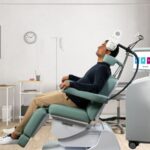





America is facing a growing mental health crisis. According to the National Institute of Mental Health, nearly one in five adults experience mental illness each year, yet access to effective care remains limited. Advanced brain health technologies, such as Transcranial Magnetic Stimulation (TMS) machines and objective cognitive assessment systems, are increasingly enabling providers to deliver innovative, non-pharmacological interventions that improve patient outcomes and expand access to care.
1. Objective Data Enhances Diagnosis and Treatment
One of the major challenges in mental health care is accurately diagnosing and tracking patient progress. Neuroscan systems, sometimes referred to as cognitive assessment systems, provide quantitative data on brain function, helping providers identify conditions like depression, anxiety, ADHD, and TBI. This allows for more precise treatment planning and the ability to measure outcomes over time. Practices can learn more in our posts How Neuroscan Assessments Improve Patient Outcomes and What is Objective Cognitive Assessment Testing and Why It Matters?.
2. Expanding Access with Non-Pharmacological Options
TMS therapy provides a non-invasive, drug-free treatment option for patients who have not responded to traditional medications. By integrating TMS into clinical practice, providers can reach patients seeking alternatives to pharmacological interventions, reducing barriers to effective treatment. Our article The Benefits of Non-Pharmacological Mental Health Treatments explores these approaches in depth.
3. Supporting Clinics and Practices
High-quality brain health technology is only part of the solution. Practices also need professional support, service, and ongoing maintenance to ensure equipment is effective and reliable. HealthTech USA provides comprehensive support programs that empower clinics to integrate advanced TMS and assessment systems seamlessly into their workflow, helping practices improve patient care while protecting their investment. For more on TMS support, see Why Service and Support Are Critical for TMS Machines.
4. Addressing Workforce and Access Challenges
The shortage of mental health providers in many states has made access to quality care a pressing concern. Advanced brain health technologies help extend the reach of existing providers by providing objective, reproducible assessments and innovative therapies that can be delivered efficiently. This enhances both patient care and provider capacity, especially in underserved areas like rural communities.
5. Improving Outcomes Across Communities
By leveraging technology like TMS and cognitive assessment systems, mental health providers can deliver more effective, personalized care. This has a broader impact on communities by helping reduce the prevalence of untreated depression, anxiety, and other cognitive disorders. Practices that adopt these technologies demonstrate leadership in both clinical excellence and community health.
6. How HealthTech USA Supports Providers
At HealthTech USA, we partner with practices across the country to deliver FDA-approved brain health technologies and ongoing support. Our solutions include:
- Advanced TMS machines for non-invasive therapy
- Neuroscan and objective cognitive assessment systems
- Training, service, and maintenance packages for reliable operation
Learn more about our mission and how we help providers on our About Us page, or explore our services to see how we support practices of all sizes.
Conclusion
Brain health technology is transforming the way mental health care is delivered in the United States. By integrating TMS therapy and objective cognitive assessment systems, practices can provide more effective treatments, expand access to care, and improve outcomes for patients across communities. To see how your practice can leverage these technologies, contact HealthTech USA today.